
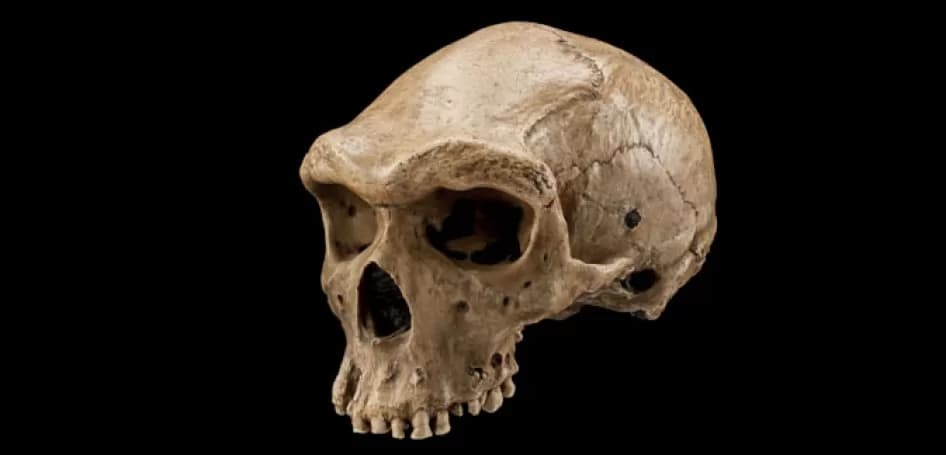
How Humans Evolved From Early Ancestors

How Humans Evolved From Early Ancestors

Human evolution describes the long process where humans developed from ancient, ape-like ancestors over millions of years, with key changes like walking upright and developing bigger brains.

Source:humanorigins.si.eduOpen the original source in a new tab

B1
Oct 29, 2026Audio109 words1 minute
LEARN WITH AUDIORead & Listen
x
0:00 / 0:56
Playback speed
Export PDF
- . , , .
, . , , , . , .
, . .
STUDY THE STORYKey vocabulary
Adjective
Having relevant and crucial value; having import.
Verb
walk
Verb
To stay in a place and have a life there.
Adjective
Of greater size or amount than something else.
Noun
The organ in the head that controls thought, memory, and other mental functions.
Noun
The beginning or source of something.
Lesson practicePractice workspace


Check your understandingExercises

Part 1: Multiple choice

What is the main topic of the article?

Where did most of the key human changes happen?

Part 2: Fill in the blank

Walking on two legs was an important human  blank.

Scientists study fossils to understand how early humans  blank.

Part 3: Put in order

Put the sentences in the order the article presents them.

  1. AHumans evolved from ape-like ancestors.
  2. BScientists study fossils today.
  3. CBrains became larger and tools were made.
  4. DWalking on two legs developed.
Great work today!Every story you finish builds stronger reading, listening and vocabulary skills.